

Throughout American history, speeches have done far more than fill moments in time. The speeches in this collection examine some of the influential speeches in American history, placing each within their historical context while analyzing their arguments, language, and lasting significance. Together, they demonstrate how powerful words not only reflected the nation’s past but also helped shape its future.
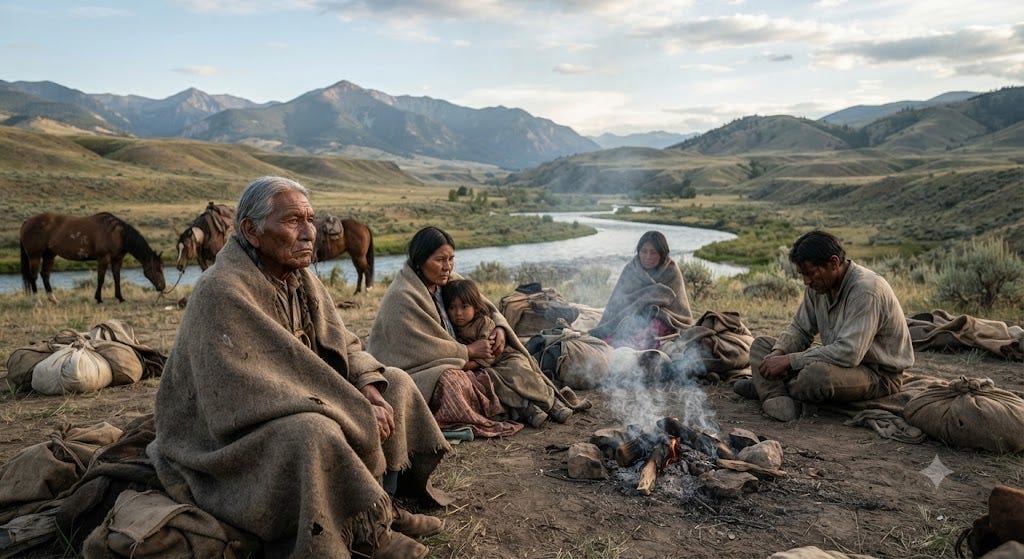
Chief Joseph’s Surrender Speech became one of the most powerful statements in American history about the consequences of westward expansion and the struggle for Native sovereignty. Delivered in 1877 at the end of the Nez Perce War, the speech expressed grief, exhaustion, and a deep commitment to justice after months of conflict and retreat. Chief Joseph spoke for a people who had fought to protect their homeland, preserve their independence, and honor agreements they believed the United States government had broken. His words captured the human cost of federal expansion while presenting a vision of coexistence based on fairness, respect, and the recognition of Native rights. The federal government promoted a different vision that emphasized territorial expansion, military authority, reservation policy, and the assimilation of Native peoples into American society. Chief Joseph’s speech became an enduring symbol of Native resistance and dignity. Even so, the federal government’s vision exerted the greater influence on the development of the American West during the late nineteenth century because it shaped national policy, transformed Native communities, and directed the course of American expansion.
Chief Joseph believed that Native nations possessed the right to govern themselves and remain on the lands they had occupied for generations. His people, the Nez Perce, had lived across parts of present-day Idaho, Oregon, Washington, and Montana long before American settlers entered the region. Their connection to the land involved family history, spiritual traditions, economic survival, and cultural identity. Chief Joseph viewed the homeland as something that could not be separated from the people who belonged to it. His speech reflected the belief that Native nations deserved the same respect for their territory and political independence that the United States demanded for itself. Treaty negotiations illustrated the growing conflict between these competing visions. Earlier agreements recognized large portions of Nez Perce territory and acknowledged Native occupation of the land. As settlers moved westward following gold discoveries and expanding migration, federal officials renegotiated treaty boundaries to satisfy growing demand for land. Some Nez Perce leaders accepted revised treaties, although Chief Joseph’s band rejected agreements they believed had been made without the consent of all affected communities. Chief Joseph argued that promises should be honored and that the government should respect earlier commitments. His position rested on the principle that treaties represented binding agreements between sovereign nations rather than temporary arrangements that could be rewritten whenever political circumstances changed.
Federal policymakers viewed westward expansion as essential to the nation’s growth and prosperity. Many political leaders believed the United States possessed both the right and the responsibility to expand across the continent. Railroads, mining, agriculture, and settlement required access to land already occupied by Native nations. Government officials increasingly regarded reservations as practical tools for opening western territory to non-Native settlement while concentrating Native populations in smaller areas under federal supervision. Reservation policy reflected the belief that Native communities should adapt to American political authority rather than maintain independent control over their traditional homelands. The Nez Perce War demonstrated how these competing visions produced armed conflict. In 1877, federal authorities ordered bands that had refused the revised treaties to relocate to reservations. Chief Joseph initially sought a peaceful resolution and attempted to avoid violence. Fighting broke out after rising tensions between settlers, soldiers, and Native warriors. The Nez Perce then embarked on a remarkable retreat covering more than one thousand miles across rugged terrain while attempting to reach safety in Canada. Their military skill earned respect from both supporters and opponents. The campaign also revealed the determination of the federal government to enforce its policies through military action whenever negotiation failed.
Chief Joseph’s surrender speech expressed sorrow without abandoning his commitment to justice. His famous declaration that he would “fight no more forever” reflected the exhaustion of his people after months of hardship, hunger, and loss. The speech did not represent acceptance of federal policy as morally correct. It reflected the painful recognition that continued resistance would bring even greater suffering. Chief Joseph appealed to shared humanity by describing the deaths of family members, the suffering of children, and the desire to live in peace. His words encouraged Americans to recognize Native people as families defending their homes rather than obstacles to national expansion. Reservation policy continued expanding after the Nez Perce War, demonstrating the growing influence of the federal government’s vision. Native nations across the West experienced relocation, declining access to traditional hunting grounds, and increasing dependence on federal agencies. Reservations restricted movement and placed Native communities under greater government control. Officials introduced policies intended to reshape Native societies through agriculture, Christianity, and Western education. Boarding schools removed many Native children from their families in an effort to replace Indigenous languages and cultural traditions with American customs. These policies reflected assimilation rather than coexistence as the guiding principle of federal Indian policy.
Native resistance continued despite these government efforts. Some communities challenged federal authority through legal appeals, diplomacy, cultural preservation, and occasional armed resistance. Leaders across many tribes defended treaty rights and sought recognition of their sovereignty. Their actions demonstrated that Native nations did not willingly surrender their identities or political traditions. Chief Joseph remained an outspoken advocate for his people throughout the rest of his life, traveling widely to speak about justice, broken promises, and the need for fair treatment. His continued advocacy ensured that Native perspectives remained part of national discussions even after military defeat. Chief Joseph’s speech also shaped the historical memory of westward expansion. Many Americans came to recognize his words as evidence of the human cost of policies that celebrated national growth while displacing Indigenous communities. Historians, educators, and public institutions increasingly presented the speech as an essential document for understanding the experiences of Native peoples during the nineteenth century. His defense of sovereignty, justice, and homeland influenced later movements that sought greater recognition of tribal rights and cultural preservation. Although these developments gained momentum during the twentieth century, they reflected the enduring power of the principles expressed in his surrender speech.
The federal government’s vision nevertheless exerted the greater influence on the development of the American West during the late nineteenth century because it directed the policies that reshaped the region. Military campaigns secured federal control over western territories. Reservation systems transformed Native life across the continent. Assimilation policies attempted to replace Indigenous institutions with American political and cultural practices. Railroads expanded, new states entered the Union, and millions of settlers established farms, businesses, and communities across former Native lands. These developments reflected the priorities of federal expansion rather than the principles Chief Joseph defended. Chief Joseph’s Surrender Speech remained historically significant because it preserved an alternative vision of the relationship between Native nations and the United States. His words defended sovereignty, honored treaty obligations, and affirmed the deep connection between people and place. Although federal expansion determined the political development of the American West during the late nineteenth century, Chief Joseph’s speech ensured that the voices of Native peoples remained part of the historical record. His message continued challenging Americans to evaluate national growth alongside justice, respect, and the promises made to the first peoples of the continent.